
Provide Power Generators for Lease or Buy.
Post-Storm Generators, Storm Prep Generators, Emergency Generators Use During Storms, and Storm Readiness Generators
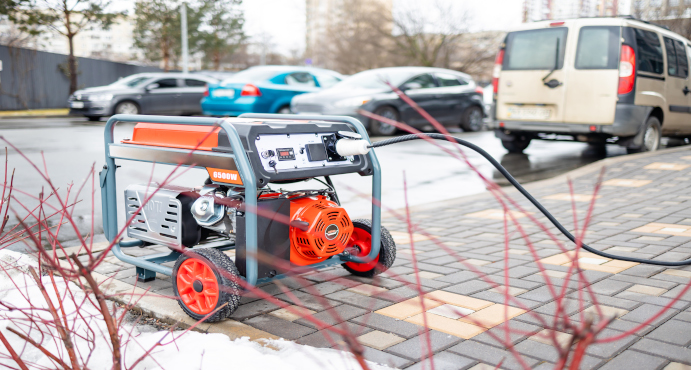
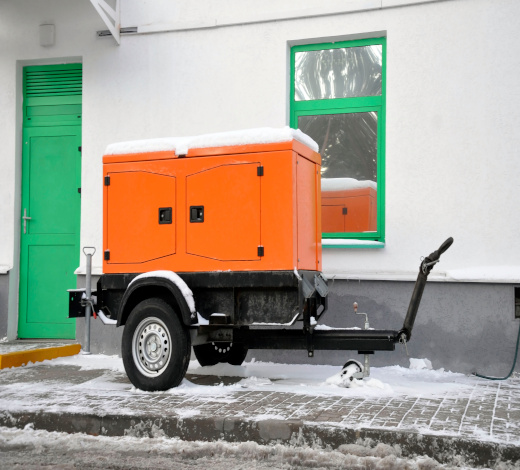
When severe storms strike, ensuring a reliable power source becomes crucial for maintaining safety and comfort. Generators play a vital role in emergency power situations, providing a dependable backup when the grid fails. By delivering electricity to essential appliances and systems, these machines help keep lights on, refrigerators running, and critical medical equipment operational. Investing in a high-quality generator before a storm hits ensures you're prepared to handle power outages efficiently, minimizing disruptions to your daily life and safeguarding against the risks of extended outages.
Generators offer reliability in power restoration during outages.
customers report high satisfaction with their generator performance.
fuel efficiency ensures longer run times during extended outages.
United States estimated households with backup generators
Domestic households
served each year in US and Canada
Durable and powerful diesel generators for consistent energy supply in all conditions. Perfect for industrial and remote applications where reliability is critical.
Natural gas generators offer a cleaner, more efficent energy solution for both residential and commercial use.
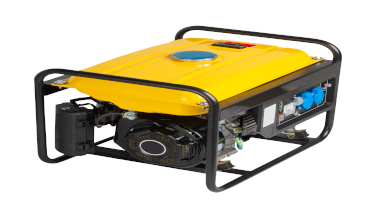
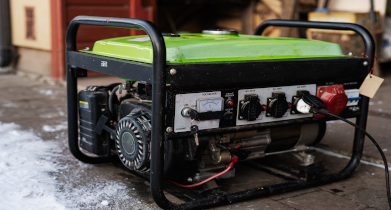
Propane generators are a versatile and reliable power solution, for both residential and commercial use. Offer a long shelf life.
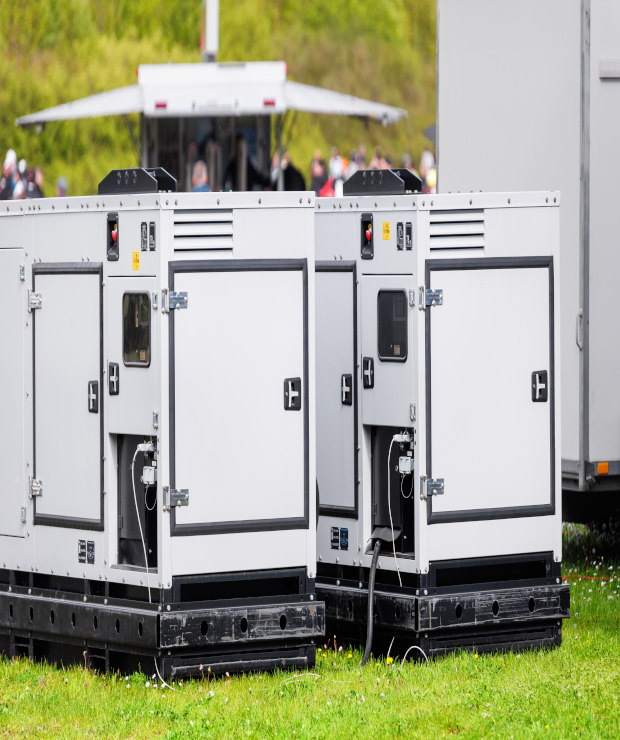
Prepare for unexpected power outages with reliable generator backup solutions, ensuring continuous electricity during emergencies. Invest in high-quality emergency power generators to maintain essential operations and protect your home or business from disruptions.
Diesel generators are known for their reliability and power output. They are particularly effective for high-applications and can provide consistent energy in critical situaltions. Modern diesel generators are dsigned with fuel efficiency and lower emissions in mind, making them a practical choice for many industrial and backup power needs.
Natural gas generators offer a cleaner alternative to diesel by producing fewer pollutants and greenhouse gases. They are ideal for continuous and stable power supply, and their lower environmental impact makes them a suitable choice for reducing carbon footprints. Additionally, natural gas is often more cost-effective and efficient, making it a popular option for both commercial and residential use.
Propane generators are versatile and can be used in various settings, from residential to industrial. They are known for their clean burning properties, which result in fewer emissions compared to other fossil fuels. Propane is also a stable and reliable energy source that can be stored easily and used efficiently, providing a practical solution for both emergency and everyday power needs.
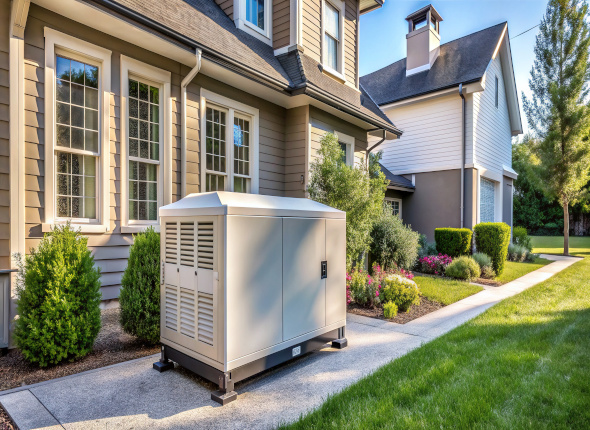
Provide Power Generators for Lease or Buy.
If you have a question for us, see if we’ve answered it below. You’ll find answers to the questions people ask us about the most.
The primary differences between gas, diesel, and propane generators lie in their fuel sources and operational characteristics. Gas generators use gasoline, which is generally more readily available but has a shorter shelf life and can be more volatile. Diesel generators use diesel fuel, which is more fuel-efficient and has a longer shelf life, making them ideal for heavy-duty applications and long-term use. Propane generators use propane gas, which burns cleaner than gasoline or diesel, producing fewer emissions and requiring less maintenance. Propane also has the advantage of being stored in bulk, reducing the need for frequent refueling.
Each type of generator has different environmental impacts. Diesel generators produce more pollutants and greenhouse gases compared to gas and propane generators, but modern models with advanced filtration can help reduce these emissions. Gas generators, while more common and readily available, emit higher levels of carbon monoxide and other pollutants. Propane generators are the cleanest option of the three, emitting fewer pollutants and greenhouse gases, making them a more environmentally friendly choice. Propane also burns more cleanly, reducing the need for frequent maintenance.
The cost-effectiveness of operating and maintaining generators depends on several factors. Diesel generators are often more cost-effective for large-scale or industrial applications due to their fuel efficiency and longevity, despite the higher initial cost. Gas generators are typically less expensive upfront but may incur higher fuel costs and maintenance due to more frequent use. Propane generators offer the benefit of cleaner operation and lower maintenance costs, though propane can be more expensive than gasoline or diesel. Ultimately, the most cost-effective option will depend on your specific usage requirements and fuel availability.
Fuel availability and Cost: Assess the availability and cost of each fuel type in your area. Gasoline is widely available, diesel is ideal for heavy-duty use, and propane may require a dedicated supply. Operational Needs: For short-term or portable use, gas generators are often sufficient. For continuous or high-demand applications, diesel generators are typically more suitable. Propane generators are a good choice for clean and efficient operation. Environmental Impact: If minimizing your environmental footprint is a priority, propane generators are the best option due to their lower emissions. Maintenance and Longevity: Diesel generators generally require more maintenance but offer durability and efficiency for long-term use. Gas generators are easier to maintain but may require more frequent service. Propane generators are low-maintenance with fewer issues related to fuel stability.